
Starting January 26, 2026, independent jewelry merchants are staring down a truly rare chance (and a big deadline). Shopify’s rolling out direct selling through ChatGPT, Google Gemini, Google AI Mode, and Microsoft Copilot. For the first time, shoppers can now browse and buy jewelry right inside their favorite AI chatbot. But here’s the catch: showing up in these AI platforms isn’t like showing up in Google search.
Backlinks and ad dollars don’t matter here. (Like, for real!). Instead, AI crawls your product data, checks your titles and descriptions, and decides if your jewelry is worth recommending. It’s a whole new game. The focus has shifted from keywords to metadata. If you want your jewelry to get noticed, you need to get a grip on Agent Engine Optimization (AEO) before January 26.
This guide breaks down exactly what’s changing, why your jewelry product data suddenly matters so much, and how to get your store ready for the new world of AI-first e-commerce.
The Big Shift: From Search Engines to AI Agents
For years, e-commerce was all about ranking. Get to the top of Google, snag more clicks. Run better Facebook ads, reach more buyers. Simple, right?
Now, AI is flipping the script.
Let’s say someone asks ChatGPT, “I need a minimalist gold box chain necklace under $500 for my partner’s birthday.” The AI isn’t just scanning the web for keywords. It’s:
- Figuring out what the person really wants beyond just the words.
- Pulling structured info straight from merchant catalogs, digging into things like material, price, size, and reviews.
- Serving up a shortlist based on how well each piece fits the request.
- Recommending jewelry pieces based on how complete your product info is, what customers say, and how well you match the need.
So, your jewelry pops up—or it doesn’t—based on the strength of your product data, not your ad budget.
Why This Matters Right Now: Don’t Miss the Opt-In Window
On January 26, 2026, most Shopify merchants can flip a switch to start selling directly through ChatGPT, Google, and Microsoft. Two things make this a big deal:
- First, it’s not automatic. Unlike regular search, you have to actively opt in if you want your products to show up in these AI channels. Plenty of merchants will miss this window and miss out on a whole new wave of customers.
- Second, speed matters. Merchants who get their product data in shape before they opt in will stand out as soon as the platforms go live. Wait too long, and you’ll be fighting to catch up as others grab the early piece of the cake.
For emerging jewelry brands going up against big retailers, this levels the playing field. A small artisan shop with dialed-in product data can beat out a huge chain with sloppy listings. The winners will be the ones who invest in product quality now.

A Quick Look at the 4 Platforms Offering AI Commerce Right Now
ChatGPT + Instant Checkout (OpenAI)
- 4% transaction fee on sales (after a 30-day free trial through February 25, 2026)
- Launches January 26, 2026
- You get to keep all your customer data (unlike Amazon)
- Over 1 million Shopify merchants eligible; brands like Glossier and SKIMS are already on board
Google AI Mode + Gemini
- No extra fees (just the regular Shopify charges)
- Uses Universal Commerce Protocol (UCP), built by Shopify and Google
- You tap into Google’s huge Shopping Graph (over 50 billion listings, updated 2 billion times an hour)
- Customers ask Gemini for recommendations and get instant, personalized results
Microsoft Copilot Checkout
- No extra fees
- Shopify merchants are automatically opted in (but you can opt out)
- Managed through Microsoft Clarity analytics
- You keep control over pricing, fulfillment, and customer relationships
Other AI Platforms
Perplexity, Claude, and others: Your products can show up in AI answers with links to your site (no direct checkout yet, but still worth being visible). So, not there just yet!
Here’s the bottom line: Only ChatGPT takes a cut of your sales. Google, Microsoft, and others let you show up for free, which is basically another reason to make sure your product data is sharp across every channel.
How AI Actually Picks Which Jewelry to Recommend
Let’s break down what the AI is really doing behind the curtains when it decides which jewelry products to show people.
1. Pulling in Your Product Info
AI grabs all the details it can about your products, such as titles, descriptions, images, prices, if it’s in stock, reviews, the materials used, the available sizing, everything. If any of this stuff is missing or sloppy, you’re at a disadvantage. The less you give the AI, the less likely it is to recommend your products.
For jewelry, here’s what matters most:
- Metal type and purity: “recycled 14K white gold” is a lot clearer than just “gold.”
- Gemstone details: Carat weight, color grade for diamonds, shape, cut quality—be specific.
- Dimensions: Exact measurements like chain length, ring size, bracelet width, clasp type, etc.
- Certifications: Is it lab-grown or mined? Is it GIA-certified or another lab? Conflict-free? Any hallmarks?
2. Matching What Shoppers Actually Want
Say someone asks ChatGPT for “an affordable diamond ring for an engagement.” AI looks for products that really fit that demand. If you call your product “3-Carat Lab-Grown Diamond Engagement Ring,” you’ll probably show up before someone who just vaguely writes “Diamond Ring.” The more intentional your title or description matches what people are looking for, the better.
3. Looking for Quality and Trust
- AI pays attention to signals that show your product is legit:
- Lots of genuine, verified, and detailed reviews. If people actually talk about your jewelry, AI picks up on it 100%.
- How shoppers behave. Do they spend time looking? Do they add it to their cart or actually buy it?
- Complete info. If you fill in every detail—every size, every color, a full description—you’re ahead of the pack.
- Consistent reviews. If customers keep describing your jewelry in the same way, the AI trusts it more.
4. Understanding Meaning, Not Just Keywords
This ain’t the year 2016 anymore, AI isn’t just matching keywords anymore. It can figure out what people mean. So if someone wants “modern baguette-cut eternity band,” and your product is called “Platinum Three-quarter Baguette Diamond Eternity Ring,” AI gets that it fits—even without the word “modern.” That’s real semantic understanding.
So stop stuffing keywords everywhere. What matters now is being clear and complete about what you’re selling. I explain this in detail in an article I put together regarding jewelry product page optimization.
SEO vs. AEO: What’s Really Different Now
If you’ve been working on traditional SEO for your online jewelry shop, you’re already thinking about how to get found. But AEO (Agent Engine Optimization) changes the game. It needs a different approach, right alongside your usual strategy. Let me break it down for y’all:
| SEO Component | Classic Google Search | AI-Powered Discovery |
| Primary ranking signal | Backlinks, domain authority, keyword relevance | Product data quality, structured metadata, semantic relevance |
| Product visibility | Ranks individual pages in search results | AI selects products to recommend based on conversation context |
| Title optimization | Keywords at the beginning, length ~60 characters | Descriptive and specific (what the product actually is) |
| Description value | Keyword-dense, optimized for snippets | Detailed, intent-focused, addressing real customer questions |
| Schema markup | Helpful but not essential | Critical—AI uses schema to understand product attributes |
| Click-through | CTR is primary conversion signal | Semantic match between customer need and product specs |
| Brand mentions | Citations with links preferred | Mentions (even without links) increasingly valuable |
Here’s what’s really going down: You’ll keep doing classic SEO optimization for Google search, but now you also have to think about how AI finds your products. The catch? The way you optimize for each is a whole different ballgame.
Your Jewelry Product Optimization Blueprint
Step 1: Audit Your Current Product Data (This Week)
Take a good, honest look at your jewelry catalog. Go through each product and check for:
- Product title: does it say the material (18K yellow gold, pigeon’s blood ruby, etc.)?
- Product title: does it mention the main gemstone, if there is one?
- Description: did you list the metal weight or give a size reference?
- Gemstone details: carat weight, color grade, cut, clarity—all is there?
- Dimensions: chain length, ring size, bracelet width, stone size—covered?
- Design: does the description actually explain the style (minimalist, vintage, modern, etc.)?
- Use cases: is it clear when or why someone would wear it (daily, gift, special occasion)?
- Product images: do you show the piece from multiple angles, and are the photos high quality?
- Image alt text: did you include the right material and key details?
- Reviews: do you have at least 3-5 real-life customer reviews for each product?
- Certifications or sourcing: any notes on lab-grown, fair-mined, or conflict-free materials?
For reference, here’s what a product looks like before and after you dial in the details:
Current (Incomplete)
Title: Gold Necklace
Description: Beautiful handcrafted necklace. Great for gift or everyday wear.
Optimized (Complete)
Title: Minimalist 18K Gold Box Chain Necklace for Men | Everyday Wear
Description:
- Materials: 18K solid yellow gold, 2.5mm box chain link
- Dimensions: Available in 16″, 18″, 20″, 22″ lengths; weighs about 5-8 grams, depending on length
- Design: Modern minimalist look with a polished finish; good for layering or wearing solo
- Use: Sturdy enough for daily wear, perfect for confident men, fits professional settings, pairs with a pendant
- Care: Wipe with a soft cloth, stay away from harsh chemicals, get it professionally cleaned once a year
- Handcrafted by [Your Brand Name]; every piece is unique
Step 2: Implement Jewelry-Specific Schema Markup
Schema markup is just code that spells out to AI what your products really are. It’s the difference between AI just seeing “18K gold” and actually understanding it’s a material, not just a phrase.
Here’s what you need for jewelry descriptions:
- Product Schema (for each product page)
- Name, description, image
- Price, currency, availability
- Brand, SKU
- Material (metal type, gemstone type)
- Size and color options
- Offer Schema
- Price, currency
- Availability (in stock, pre-order, etc.)
- Shipping info
- Return policy
- Review & AggregateRating Schema
- Star rating (1-5)
- Number of reviews
- Individual reviews with names, dates, and ratings
- BreadcrumbList Schema
- Shows the hierarchy: Category > Subcategory > Product
- Helps AI figure out where the product fits in your shop
- Organization/LocalBusiness Schema (if you have a physical location)
- Brand name, address, phone
- Builds credibility

Using Shopify? Most of this is done for you. But check that:
– Every field is filled (don’t leave default info)
– Jewelry details—metal type, gemstone specs, weight—are included
– The schema actually shows up (test it with Google’s Structured Data Test Tool)
Step 3: Rewrite Product Titles for AI Readability
Don’t stop at “Gold Ring” or “Diamond Necklace.” Get more specific:
Before (too vague)
- Gold Ring
- Diamond Necklace
- Silver Bracelet
After (clear and keyword-rich)
- 18K Gold Twisted Rope Band Ring for Men | Luxury Wedding Alternative
- Solitaire 1.5 Carat Diamond Pendant Necklace in 14K White Gold | Statement Jewelry
- Sterling Silver Tennis Bracelet with Black Diamonds | Alternative Luxury Look
Here’s a simple formula:
[Metal/Material] [Design Style] [Item Type] [for Audience] [Main Use or Value]
Why this works: AI immediately knows what the item is made of, how it looks, and who it’s for. Those extra details—like “for men” or “luxury”—give even more context. You’re not stuffing keywords, just being clear and helpful. The devil (or miracle) is in the details!
Step 4: Optimize Descriptions for Both Humans and AI

AI rewards product descriptions that people actually want to read and enjoy reading. So keep it:
- Easy to read (write how you’d talk to a customer)
- Organized (use headings or bullet points so people can scan)
- Complete (answer the questions people have, from basic to specific)
- Focused on why someone would buy (not just what the item is)
Bottom line: You’re building a product page that makes sense to both humans and machines. When you do, everyone wins—especially your customers.
Step 5: Build a Review Collection Strategy
Customer reviews aren’t just nice to have—they’re the single biggest trust signal AI looks for. The more detailed reviews your products have, the higher you show up in recommendations. It’s that simple.
Here’s your 30-day plan:
- Pick your top 10-15 products—either your best sellers or the ones with the strongest reviews.
- Reach out to buyers from the last three months. Keep it personal and straightforward: “Share your experience. This helps others find jewelry they love.”
- Make leaving a review ridiculously easy. Send them straight to the review page. Cut out any annoying steps or extra fields.
- Want more reviews? Offer an incentive, but stay within the rules—never pay for positive reviews (booooo!), and always follow FTC guidelines.
- Don’t just collect reviews, actually respond to them. Thank customers for the glowing ones (4-5 stars), and jump in to help when something goes wrong (1-3 stars).
Why does this matter for AI? Because AI digs through your reviews to figure out what real people love about your jewelry because details matter way more than just the stars. It notices if shoppers come back for more, which signals loyalty. That’s a big one. And when you handle complaints, it sees you as more trustworthy.
Set your goal: By January 26, aim for at least five reviews per featured product. This isn’t just about ranking higher; it’s about building trust in a world where people rely on AI to tell them what’s good in the hood.
Step 6: Technical SEO Checklist
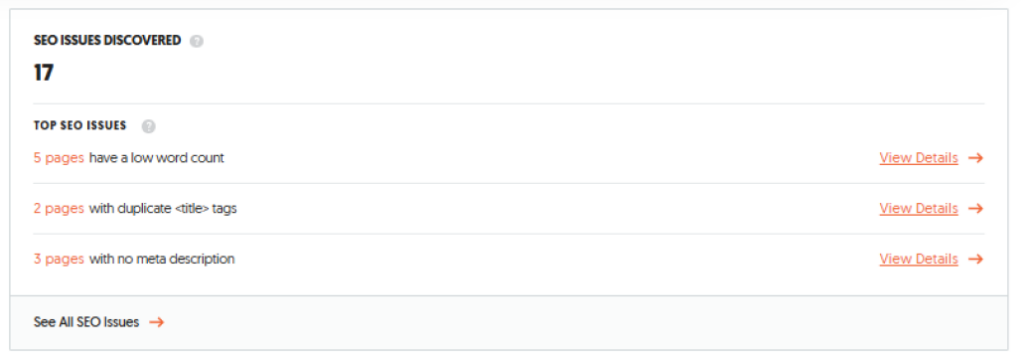
Here’s the tech stuff that makes everything else work:
- Sitemap: Make sure Google has your product feed and your sitemap covers all your pieces of jewelry.
- Mobile speed: Product pages need to load in under three seconds on a smartphone. AI checks this.
- Structured data: Every product page needs proper schema markup. Run it through Google’s validator.
- Images: Use sharp, beautiful photos—show multiple angles, use the right formats (preferably WebP), and add detailed alt text.
- URLs: Keep product links clean, short, and descriptive. Think “/collections/gold-necklaces/18k-gold-minimalist-box-chain”—not a mess of numbers and never-ending handles.
- Canonical tags: If you sell the same item in different colors or sizes, use canonical tags so Google understands the relationship between those pages. The same principle applies to designs with variants in different materials.
- Robots.txt and noindex: Double-check you aren’t blocking your product pages from search (hopefully!).
- Page speed: Keep your Core Web Vitals in the “good” range: LCP under 2.5 seconds, FID under 100ms, CLS under 0.1.
The Competitive Reality: Early Movers Win
This isn’t theory—it’s happened before. The Etsy brands that nailed Pinterest in 2012, the Amazon sellers who figured out A9 search in 2015, the Shopify stores that went all-in on mobile in 2017—they got ahead, and nobody ever caught up.
The same thing is happening now with AI commerce.
By February 1, 2026, the brands that nail their product data will start to see:
- More visibility in ChatGPT and Gemini recommendations
- Higher conversion rates from AI-driven shoppers (these customers come ready to buy and will likely come again)
- Clear data on which AI channel works best for them
- A real edge over competitors who drag their feet
If you wait until March, April or after your planned summer vacay, you’re up against:
- A crowded field of products fighting for attention in AI systems
- Competitors who already have a pile of reviews and strong social proof
- AI that knows which brands cut corners on product data—and pushes them down the list (ouch!)
For independent and emerging jewelry brands trying to make a dollar out of 50 cents, this is about as big as when Google organic search took off back in the day. The game is changing fast, and now it’s tilting toward merchants with top-notch product data.

Final Thought: AI Didn’t Kill SEO: It Repurposed It
SEO isn’t dead. You’ll still show up for “platinum necklace” or “sapphire ring” on Google. But discovery isn’t just about one search results page anymore. Now, it’s scattered across all kinds of AI platforms, each with its own rules and frameworks.
The people who’ll win are the ones who get out in front and do a few things right:
- They optimize across Google, ChatGPT, Microsoft —you name it—using solid product data.
- They shore up the basics now, before everyone else catches on and things get saturated.
- They get that it’s not about keywords anymore. AI wants clean, structured, accurate info, not a bunch of repeated phrases.
If you know that your jewelry deserves attention, starting January 26, it’ll get that shot, but only if you’ve put in the work to make it findable.
Right now, the door’s wide open. The path is pretty clear. The edge is real. First-come, first-served. Ahhhh, the internet world!
Start with an audit and growth plan. Stick to that plan. By February 1, you’ll have a brand-new revenue stream that most competitors haven’t even noticed yet.
Your Free AI Commerce Readiness Growth Plan
Knowing all this is one thing. Knowing where you stand is another.
I’m currently offering e‑commerce jewelry brands a free, detailed SEO and AI readiness audit, accompanied by a simple one‑page growth plan that I can walk through in a Loom video.
Why is this valuable? Well, because it’s tailored to your jewelry niche market—not just general e-commerce tips. It pinpoints your exact gaps, not some hypothetical issues. The fixes are ranked by impact so that you can move fast. And the report is clear and actionable—not a 30-page audit that no one reads anyway, but a doable to-do list.
If you grab yours today, you automatically set your digital strategy ahead of your competition before everyone else picks up. Remember that in the world of e-commerce and tech, speed is everything. That’s the difference between leading the pack and scrambling to catch up.